
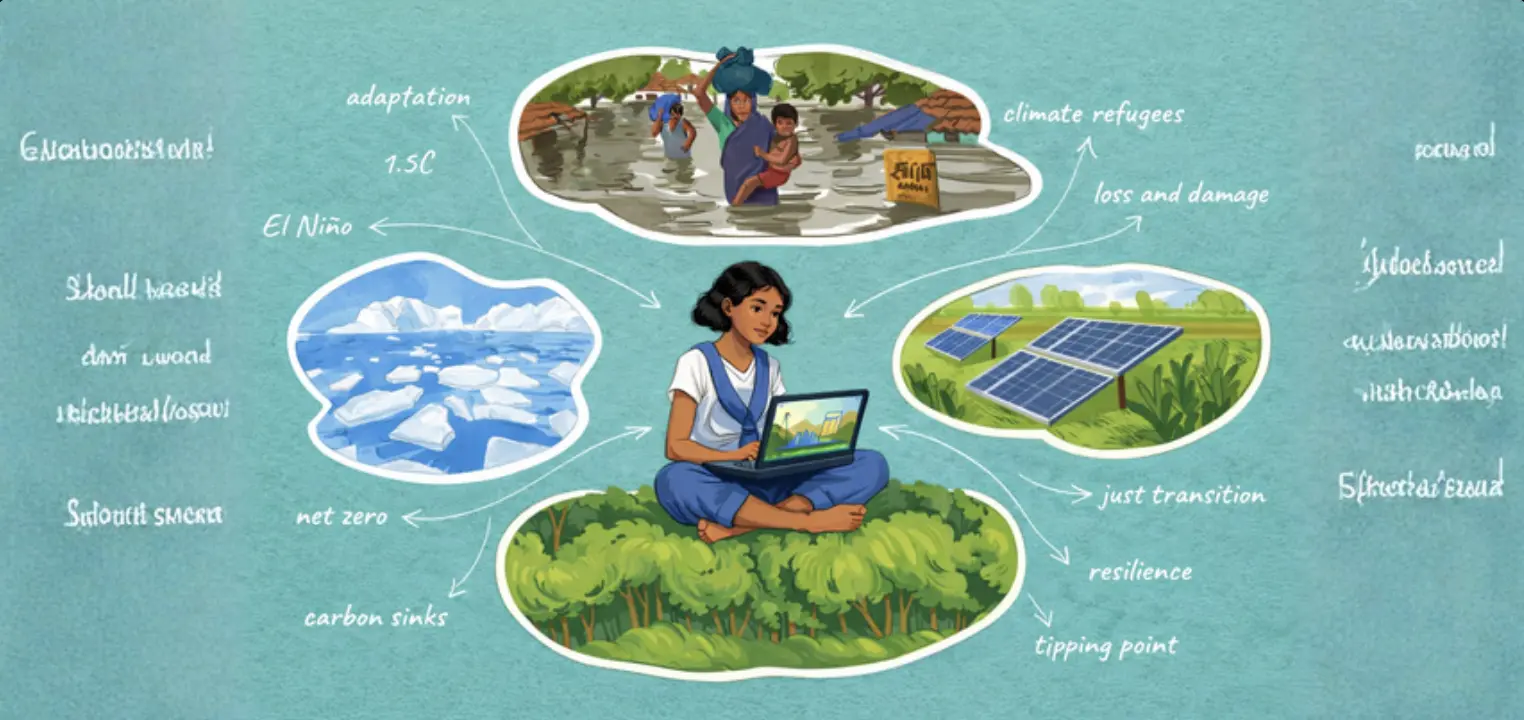


Let’ s just say it plainly: we are not winning the communication battle on climate change. And it’ s not for lack of trying.
That does not mean we are not talking. There is more noise than ever. Government announcements. Corporate pledges. Influencer content. Videos, infographics, white papers, and AI-generated Earths melting into puddles. It is everywhere. But somehow, most of it does not land.
Not because people do not care. The problem is that the message often stops short. People are left aware that climate change is serious, but unclear on what they are supposed to do next. The result is confusion, numbness, or quiet disengagement.
Ultimately, this creates a sense of helplessness. And that is happening at the same time the science is clearer than it has ever been. The solutions are known, proven, and in many cases already cost-effective. The problem is not a lack of content about climate change. It is that too much of it fails to move people toward action.
We’ve spent the past few years helping climate and clean energy companies craft their messaging, and we’ve seen this same pattern play out across teams of all sizes. From solo founders to Fortune 500s. From earnest startups with a breakthrough idea to global players trying to meet ESG mandates.
And the problem almost always looks the same: They bury the signal. Too many words. Not enough clarity. No emotional connection. No structure. And worst of all, no action at the end. Let us walk you through a few examples that show how this breakdown happens.
In communication terms, greenwashing is the opposite of clear content. It’s designed not to inform but to obscure. Not to guide, but to confuse people, stall action, and sidestep responsibility. When climate messaging is used to cover up negative impacts, we don ’t just lose clarity. We lose time, credibility, and momentum. And those are things this movement can’t afford.
A great example of this is when Delta Airlines proudly announced it was “Carbon Neutral Since March 2020” on its in-flight napkins. The claim, though catchy, quickly unraveled under scrutiny. While Delta did invest 137 million in 27 megatons of carbon offsets, those offsets have been widely criticized as unverifiable or ineffective, particularly in cases where credits were purchased for forest conservation projects that were never under threat to begin with. And that was before their emissions grew 23% from 2022 to 2023…
In 2023, a class-action lawsuit accused the airline of greenwashing, arguing that the company misled customers into thinking their flights had no environmental impact. The case is still unfolding, but it serves as a cautionary tale of the repercussions organizations face when they embellish their marketing language without properly backing it up with transparency and action.
Greenwashing is the opposite of clear communication. It does not guide people toward action. It creates confusion, slows progress, and protects the status quo.
When messaging is used to mask real impact, the cost is not just credibility, but time and momentum.
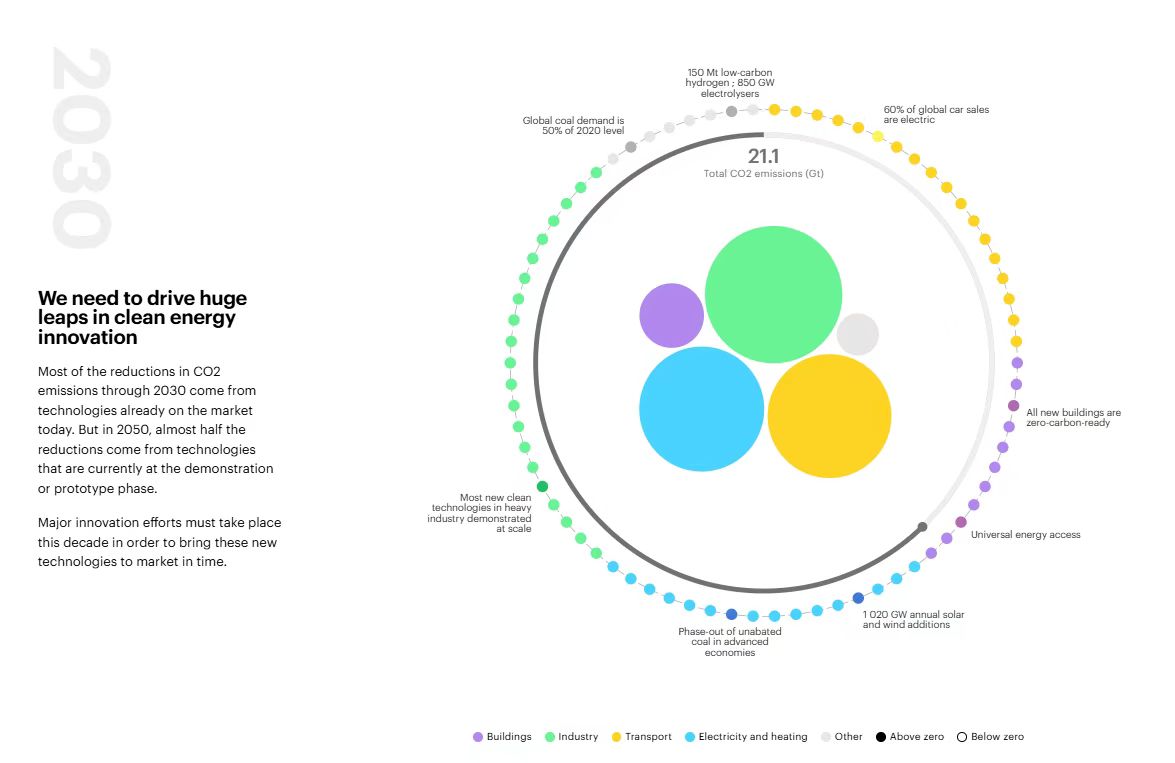
If you are looking for a good example of how to properly organize a Net-Zero 2050 plan, the IEA is literally the global authority on this.
The International Energy Agency’s “Net Zero by 2050” roadmap outlines an effective pathway to stay under 1.5°C, but it’ s addressed to policymakers and very information-dense. It’ s simply too hard for most people to follow.
To make it easier to digest, they made a quick, engaging summary as you scroll down the landing page. The animations are a nice touch, too.

What these campaigns share (and what most others lack) is a structure. A system. A way of getting across the what, the why, and the now what without overwhelming, confusing, or just boring their audience.
In trying to solve this exact issue, we built a framework I recently shared in a talk at an online meet-up with other Content Designers in China.
I call it: Sketch → Color → Shade.
Many climate campaigns fail not because the message is wrong, but because it lacks structure.
Without a clear what, why, and next step, even strong ideas lose impact.
1. Sketch starts with the core idea. Cut the fluff. If you cannot explain what you do to a smart 10-year-old, it is not clear enough yet. Too often, introductions read like resumes. “We align carbon data with corporate ESG targets to drive sustainable growth. ”A clearer version would be: “We help companies track their carbon emissions and lower them.
2. Color is where emotion comes in. Not manufactured hype, but real stakes. People connect when they recognize themselves in the story. Imagery, contrast, and urgency help make the message feel relevant rather than abstract.
3. Shade is the structure underneath it all. The logic that supports the message and gives it staying power. Emotion might grab attention, but without structure it fades quickly. Clear structure is what helps move people from interest to action.
So, if your team is still arguing over what the “ real value ” of your climate solution is… If your customers don ’t seem to get what you ’ re offering…
If your campaign feels like it’ s missing something, even though the facts are all there…Then this framework can help.If you are interested in learning more about the framework I use, watch the seminar recording. Or get the PDF here from the presentation hereIf you still need help crafting a clear and compelling communication strategy, feel free to message me directly on LinkedIn.
We are all in this fight together, after all.


.svg)
.svg)


.svg)
.svg)
